Michelle Archive

Recipes by Great Italian Chefs: Felice Lo Basso

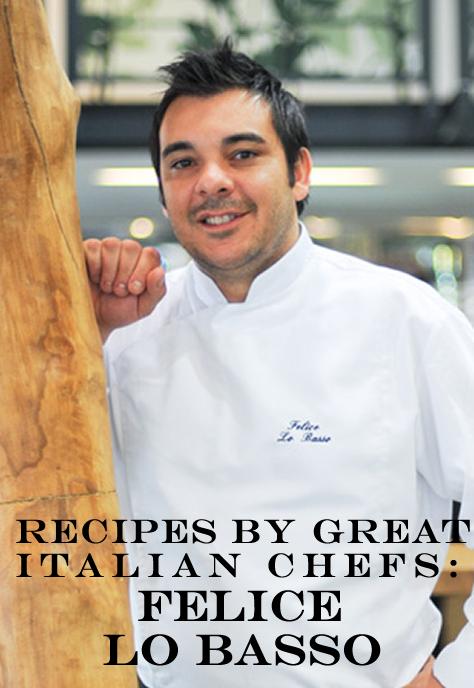
Chef-Felice-Lo-Basso-Big-imagsWith many years of professional experience gained both in Italy and abroad, Felice Lo Basso is known as a passionate and innovative Italian chef. He studied cooking at Istituto Professionale Alberghiero Di Stato Perotti, and spent his first few seasons as a professional chef in Amalfi and Romagna. Here, he had a life-changing encounter with Vincenzo Cammerucci (then of the Lido di Cesenatico and now of Ca Savio in Ravenna). “He opened my heart to the kitchen and fuelled my passion for cooking,” says Felice.

He went on to have plenty more rewarding experiences in Romagna. He worked in the kitchen of the Ambasciatori Rimini and the Hotel Frand Riccione, then became head chef at Misano’s Byblos Disco Dinner Club and Palazzo Viviani Montegridolfo.

Felice’s cooking combines the down-to-earth vitality of his home, Puglia, with the passion and fire of Romagna, all mixed in with a classic Mediterranean love of seafood. After an internship at Robuchon at the Metropole Monte Carlo, his career took him far away from the sea, although in a location where fish and seafood are much beloved: Trentino-Alto Adige.

In 2003, Felice took over the kitchens at Alpen Royal Sport Hotel, a position he held the beginning of 2014, when the desire to grow led him to move on to Milan, home of the Expo, a six-month exhibition along the theme of sustainable food solutions. This is the perfect showcase for him to demonstrate his ability to successfully combine different elements: sea and mountain, meat and fish, vegetables and spices, vegetables and cheeses.
Palazzo-Milano-Unico

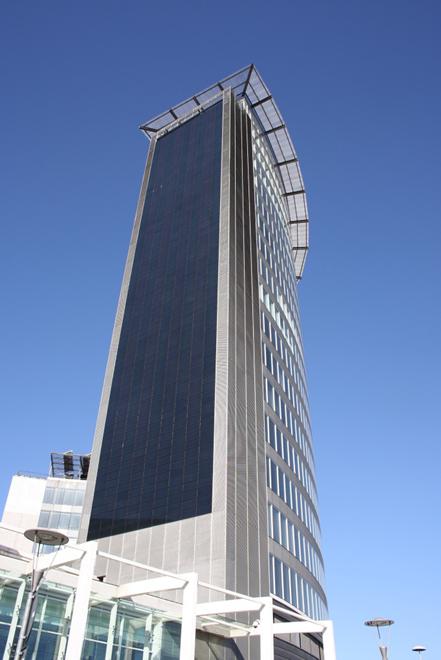
Felice is now happy to have taken over from Fabio Baldassare in the kitchen of Unico Milano, on the twentieth floor of the WJC Tower. This is a kitchen suspended between earth and sky, a stage in tune with his cooking, which is both linear and complex at the same time, combining both simplicity and depth of flavour.
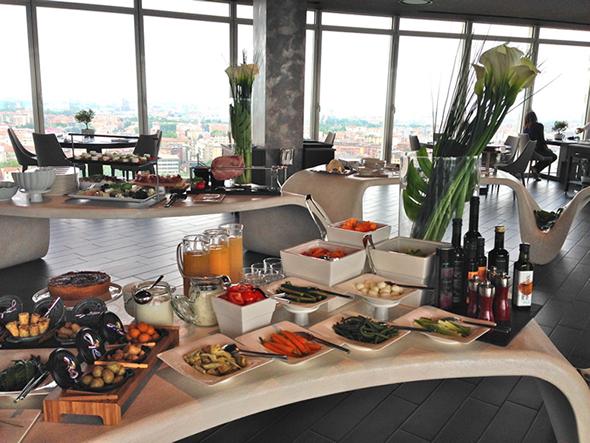
Unico-Restaurant-in-Milan


Here is his recipe for mackerel garnished with betroot,buffalo mozzarella and black rice chips…..a Star chef recipe .
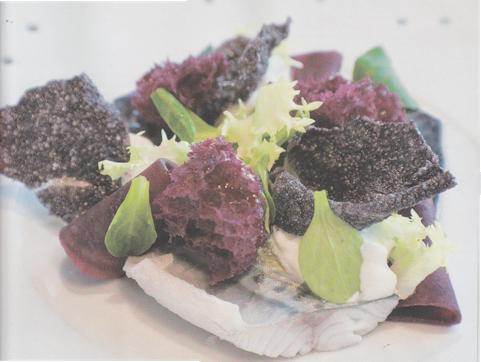


mackerel garnished with betroot,buffalo mozzarella and black rice chips


SERVES 4

– Four 200g mackerel fillets

– 60g sugar

– 100ml orange juice

– 1 raw beetroot

– 3 green cardamom seeds

– 200g buffalo mozzarella

– 60g egg white

– 80g fresh cream

– 200g black rice


FOR BROTH:

– 1 celery stalk

– 1 carrot

– 1 onion

– 1 bay leaf

– 1 sprig of thyme

– Salt and pepper


– To create the black rice chips, cook the rice, blend together, then dry for eight hours in the oven at 52 degrees.

– Prepare the broth and use this to cook the mackerel fillets.

– Slice the beetroot and leave to marinate for at least three hours in the orange juice, salt, cardamom and sugar.

– Prepare the mousse by combining the mozzarella with the egg white and cream. Pour the mixture into a siphon and combine with the gas.

– At this point the final dish can be assembled. Arrange the cooked mackerel fillets on the plate, put on the slices of marinated beetroot, and add the mozzarella foam. Garnish with the black rice chips.
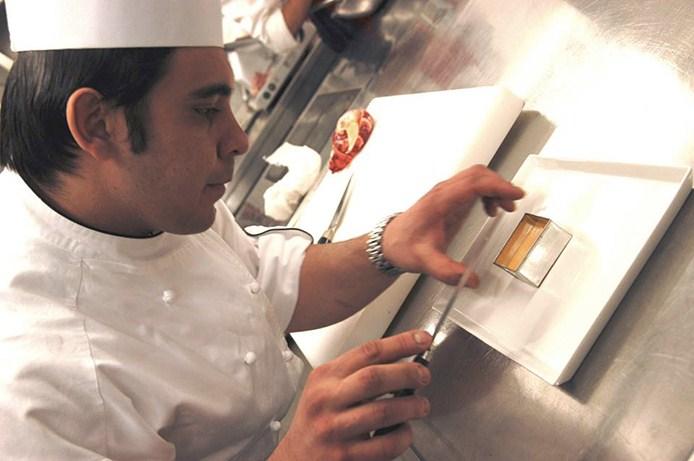
 

Felice-Lo-Basso-Milan


LET US TAKE YOU TO YOUR DESTINATION
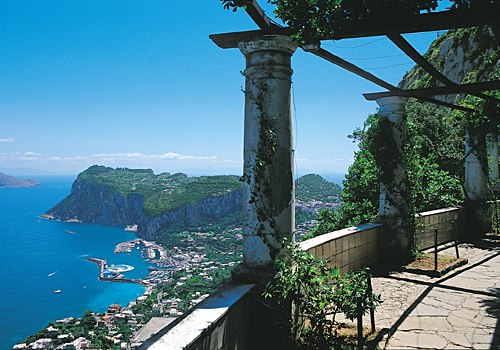
Once you’ve seen the Blue Grotto, what else is there to see in Capri?

san michele 3 best

Sharon Preston has just returned from a memorable trip to the beautiful island of Capri. We asked her for another must-visit location on this magical isle…

Aside from its breathtaking natural beauty, we found a lot to see on the Island of Capri. And yes, the Blue Grotto was definitely a highlight of our visit. But what came a close second was another treasure, the Villa San Michele, which was built at the beginning of the 20th Century on the ruins of the Roman Emperor Tiberius’ villa.

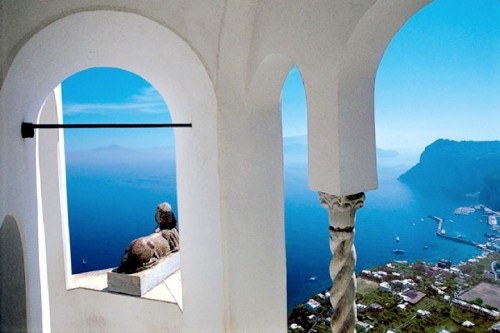
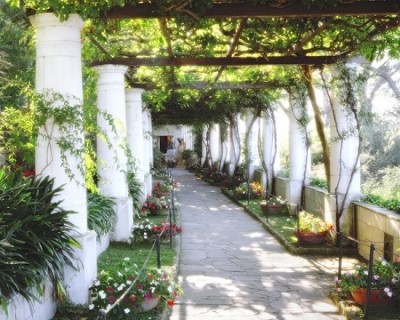
san michele2Villa San Michele was built by the Swedish doctor by the name of Axel Munthe and its gardens are quite spectacular, with breathtaking views of the town of Capri and its pretty marina as well as the beautiful Sorrentine Peninsula and, of course, famous Mount Vesuvius. The villa itself is perched on a ledge about 327 meters above the sea at the top of the Phoenician Steps, between Anacapri and Capri. The gardens are a treat in themselves, as there are a number of relics and artworks located there that date from ancient Egyptian, Roman and Etruscan times.

What a lot of people don’t know is that Dr Axel Munthe actually wrote a book about the villa called The Story of San Michele, which was published in 1929. The villa was his dream home, and of course, with such an idyllic setting, I’m not surprised. He first arrived in Capri in 1885 and built the villa here.

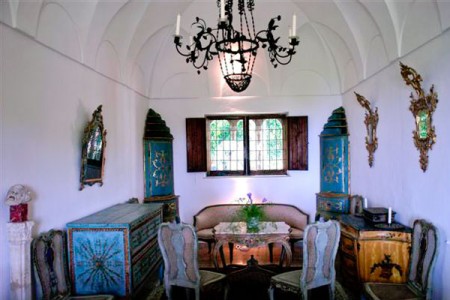
villa san micheleAnd when you see this magnificent villa, you will understand why he was so proud of it. It truly is quite magnificent – and the villa is also extraordinary. It’s built on various levels, with the study on the first floor, and a circular viewpoint that looks out over the spectacular Bay of Naples. When we went inside we discovered a number of ancient artifacts on display, objects that Dr Munthe discovered while living in Capri. They include sarcophagi, busts, Roman paving, columns and marble.

villa san michele gardenIn the garden we also found the ruins of the original temple located on the site, including a Greek tomb and a stone Sphinx that gazes over the entire island from its stunning viewpoint. It’s interesting to remember that Dr Munthe lived on the island for over 56 years and the villa, which is located on the north-eastern side of Anacapri, was his home from 1896 to 1910. Amongst the treasures he collected that are now on display in the villa is a sculpture of Medusa’s head as well as pieces of a tavolo comatesco and a table. These magnificent items were all built by Roman artisans in the 12th and 13th Centuries.

What to see in Dresden aside from the china

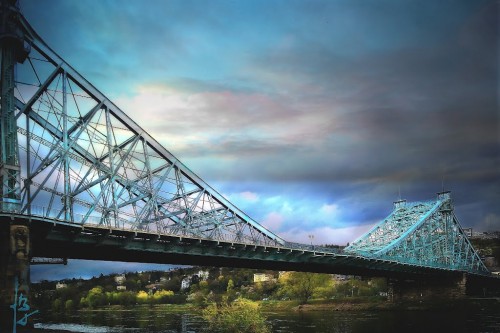
blue wonderYes, there is a lot to explore in the German town of Dresden. Sharon Preston went to explore, and found something else as blue as the city’s famous china – a magnificent turquoise bridge called the Blue Wonder

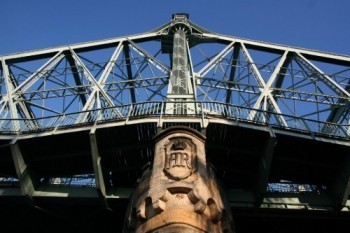
The turquoise Blue Wonder, or Blaues Wunder as it’s called in German, is a bridge in the city that is renowned for its extraordinary colour. The bridge, which is constructed from 3 500 tonnes of iron and more than 10 000 rivets, connects two of Dresden’s most desirable and expensive areas, the districts of Blasewitz and Loschwitz, and spans the Elbe River. The district of Loschwitz is particularly renowned for its many 19th Century villas and mansions, and is well worth exploring if you have the time.

This bridge is considered a masterpiece of 19th Century engineering. At the time it was built, it was one of the longest bridges not supported by pillars to be constructed in the world. The47-meter-long bridge survived damage during the Second World War, and apparently the residents of Dresden were responsible for saving it. The official name of the Blue Wonder is actually
the Loshwitz Bridge, although it was originally named Konig-Albert-Brucke in honor of King Albert of Saxony. As you will see when you visit, it’s located close to the city’s funicular railway, the Standseilbahn Dresden, as well as the oldest suspension railway in the world, Schwebebahn Dresen, and the famous Dresden TV tower. It was erected in 1893 and took two years to complete.

One of the things I found most fascinating about the bridge is that there is an urban legend attached to it. Apparently it was initially painted green, but because of the elements, particularly the sun, it turned blue. But this isn’t actually true at all. The bridge has always been blue and it’s been known as the Blue Wonder from the moment it was completed more than a century ago.

blue wonder2Despite surviving unscathed during the Second World War, the bridge is very old now – and as such, traffic has had to be limited to sustain it. But it still remains the only way to cross over the Elbe in Dresden east of the city centre all the way up to the neighbouring town of Pirna.

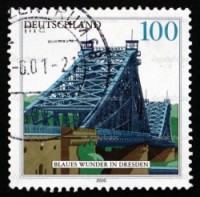
Postage stamp Germany 2000 Blue Wonder Bridge, DresdenSo when you’re next in Dresden, do visit this fascinating bridge with its beautiful colour. It certainly has some interesting stories to tell! And as I said, it’s the gateway to Loschwitz, where you can wander around and discover some of the magnificent 19th Century villas and mansions located there.