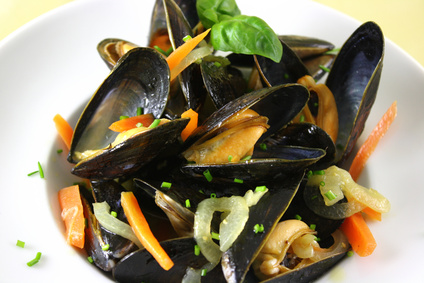
You can’t visit Burgundy without sampling some gourmet delicacies, says Sharon Preston, who has just returned from a trip exploring France. Here she gives her favourites, all specialities of this very famous French area
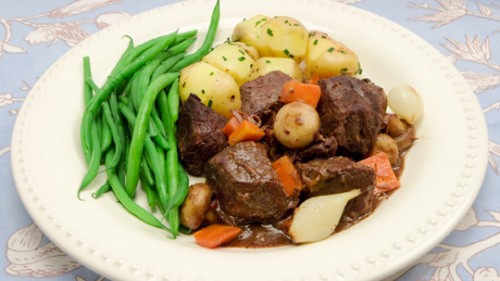 Beouf Bourguignon
This rich beef and potato stew is traditionally made using quality meat from Charolais cattle, white cattle that are bred in the Burgundy area. The beef is braised in wine (preferably a good, full-bodied red from the area) and then stewed with seasonal vegetables, including potatoes, garlic, onions and carrots. It’s seasoned with a bouquet garni, a special little bag of herbs containing a mix of thyme, bay leaves and parsley. The dish is cooked for two days before serving, to soften the meat even further and combine the flavours.
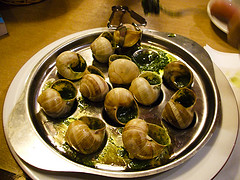 Escargots de Bourgogne, Burgundy snails
These edible snails, called escargots, come from Burgundy and are traditionally served with a garlic and parsley butter. The snails are a delicacy; big, plump and sweet and are exported world-wide. Although the garlic is traditionally pureed and the parsley is chopped, you can have yours served with garlic oil and parsley cream, or an addition of a lemon and crème fraiche. Escargots de Bourgogne are served warm in a special plate with 6 or 12 holes to accommodate the snails. They are accompanied by snail tongs and a special fork for prying out the flesh. Enjoy with a glass of Chablis.
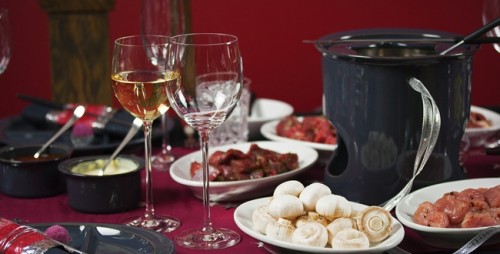 Fondue Bourguignonne
Fondue, Burgundy-style, is a meat fondue where chunks of meat are dipped into a metal pot of hot oil to cook. They are served with a selection of sauces including Dijon mustard sauce, Truffle mushroom sauce, Blue cheese sauce and pepper sauce. Once you have removed the cooked meat from the oil with your long fondue fork, you take it off the fork and use a regular fork to eat it, dipping bites into your preferred sauce. Savour with a glass of red Burgundy wine.
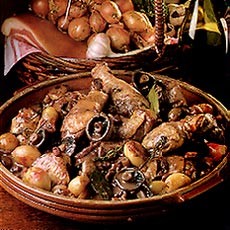 Coq au vin
This popular speciality in Burgundy is a classic French dish created by braising a free-range chicken from the region of Bresse and cooking it in a red wine sauce. Traditionally, the tender Bresse capons are marinated for a day in red Burgundy wine before being cooked with herbs, tender onions and mushrooms, to create a simple, rustic, mouth-watering dish. These special chickens are distinguished by their white feathers, fine blue feet, red wattles, white flesh and skin.
 Gougeres (Cheese puffs)
Gougeres are savoury cheese puffs with with choux pastry, the same dough used for cream puffs and eclairs. The dough is traditionally mixed with grated Gruyere, Comte or Emmentaler cheese and baked. These addictive snacks are usually served cold as hors d’oevres when wine tasting in the Burgundy wine cellars, or warm as an appetiser with the local aperitif called Kir. Gougeres are sometimes filled with other ingredients including beef, ham or mushrooms and baked in a ring or pie tin.
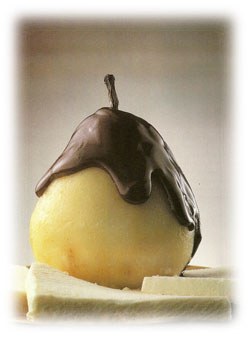 Belle Dijonaise Pear or Poir Belle Helene
This traditional Burgundian dessert was invented by the famous French chef Auguste Escoffier in 1864. It comprises pears poached in red wine with a syrup of spices and vanilla. Served with a scoop of vanilla ice cream and dark chocolate sauce, this is heaven on a plate. Sometimes you’ll enjoy the dish decorated with almonds, berries and icing sugar, although traditionally it was decorated with crystallised violets.
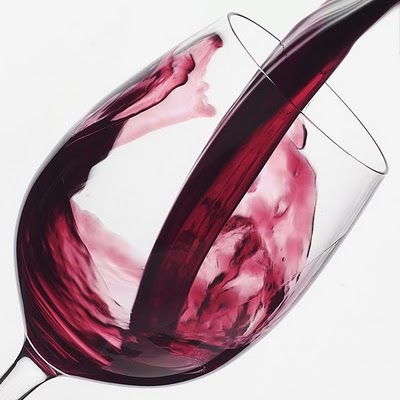 Burgundy wines
Burgundy’s vineyards extend south for around 150 miles via Dijon to Macon. Here, 101 different wines are produced in 4 600 wineries in five main wine districts – Chablis, Cote de Nuits, Cote de Beaune, Cote Chalonnaise and Maconnais. These excellent wines are used abundantly in the region’s traditional dishes, including Coq au Vin and Beouf Bourgogne. They include Pinot Noir and Chardonnay from around Chablis, Merlots and Cabernets from Bordelais, and exquisite nectars produced on the Cote-de-Nuits.
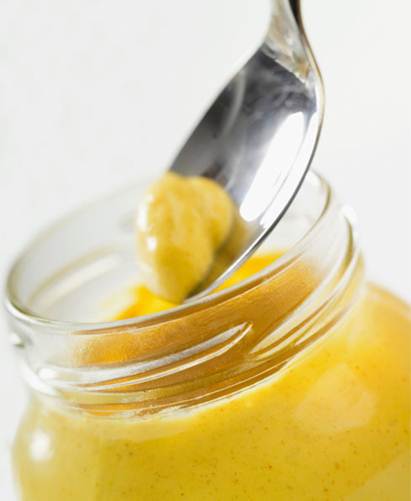 Dijon mustard
Burgundy’s gourmet Dijon mustard is famous world-wide. It is a gastronomic classic, used as an accompaniment and a seasoning to a variety of dishes made with chicken, beef and fish. Its name describes the production method used to create the mustard and its distinctive taste comes from blending mustard seeds with vinegar and then grinding them to a smooth paste. The biggest producer of this famous dish is Grey Poupon-Maille. You can visit their boutique in Dijon to buy a range of mustards and pick up some of their recipes.

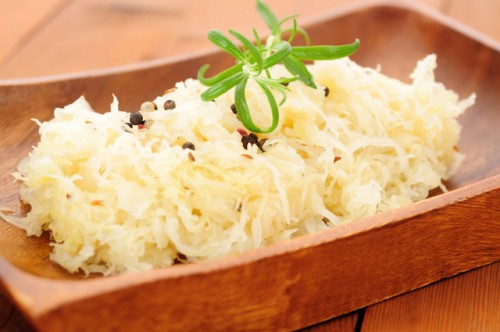 Sauerkraut
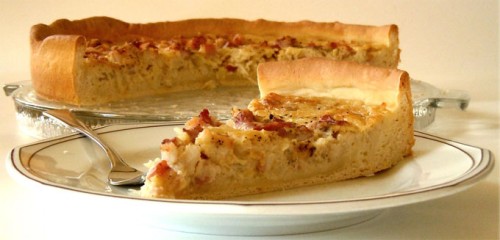 Zwiebelkuchen
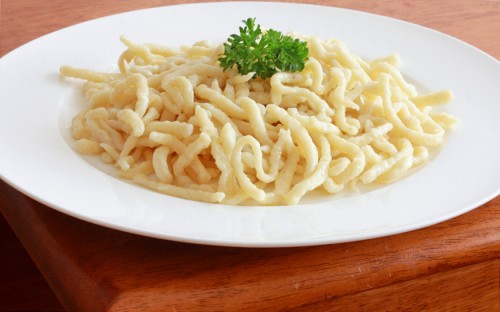 Spatzle and Knopfl