Michelle Archive

London

1 London-Buckingham-Palace


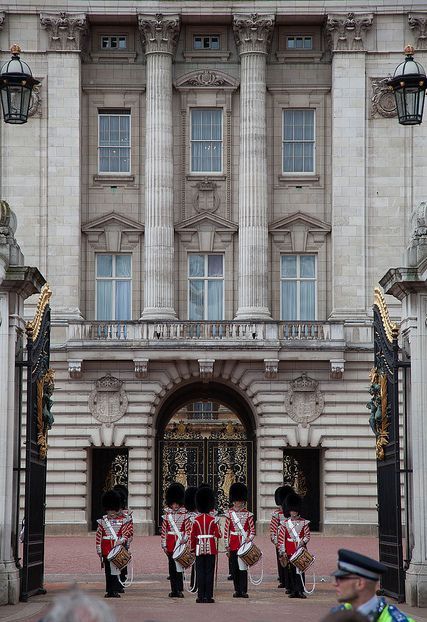
1   Take a walk down the Mall and take some photos against the backdrop of Buckingham Palace. Make sure you get there in time for the changing of the guard, one of the most iconic sights in London. To get there, you can take the tube to St James’s Park or Green Park.


2 London-National-Portrait-Gallery


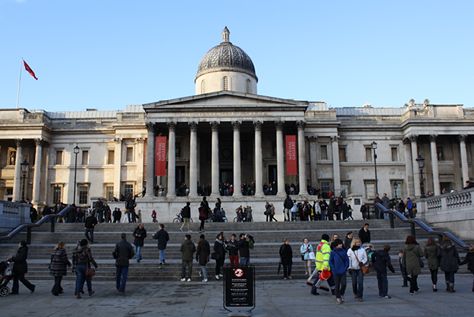
2   Pay a visit to Trafalgar Square’s famous lions, before admiring the art on display in the National Portrait Gallery. There are several free exhibitions there at the moment, including portraits of Tudor monarchs and Grayson Perry’s Who Are You? Charing Cross is the closest tube station.


3 London-Bridge-station


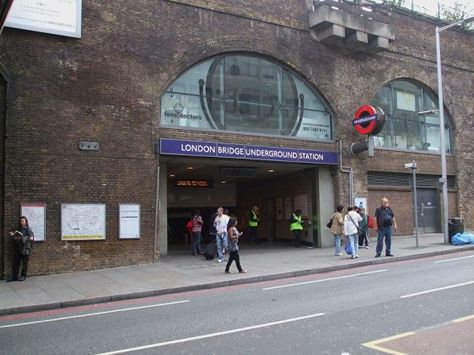
3   Have a feast at Borough Market, which you can reach by travelling to London Bridge station. This is one of London’s oldest food markets and has been running since 1276. We recommend the brilliant bread and cheese stalls, and you will even be able to see the Shard towering in the distance.
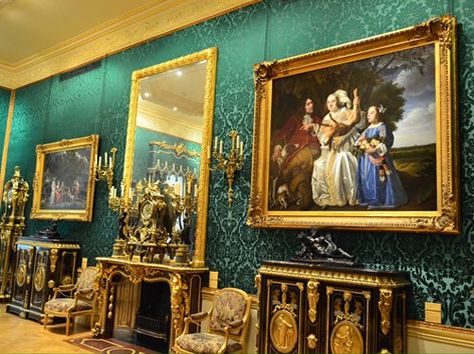


4 London-Wallace-Collection

4   Take a look at the beautiful porcelain pieces in the Wallace Collection, some of which used to belong to Marie Antoinette. The Collection is in Manchester Square, near Bond Street station, and features 28 rooms of interesting furniture, fabrics and artworks, including The Laughing Cavalier.
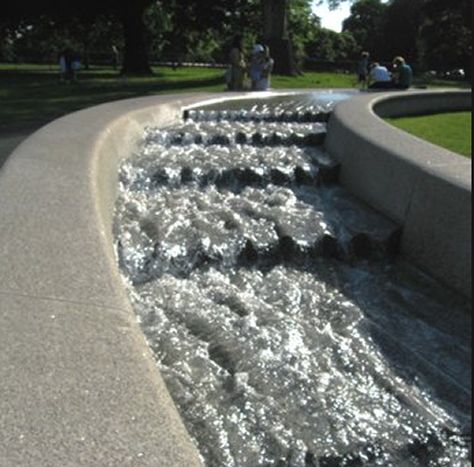


5 London Diana Princess of Wales Memorial Fountain


5   Have a day out in Hyde Park, one of eight Royal Parks. With sights like the Diana Princess of Wales Memorial Fountain, the Serpentine lake and Speakers Corner, there is plenty to see and do here. Take the tube to Marble Arch station to get there.
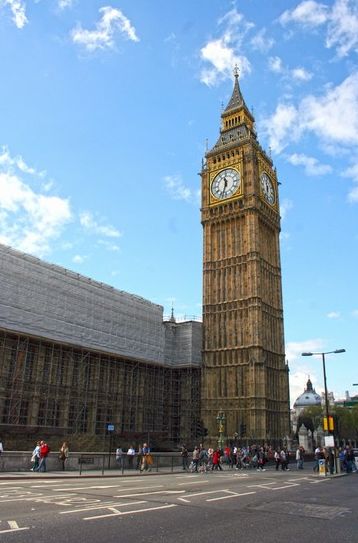


6 London-Big-Ben


6   Take a selfie with Big Ben in the background. The world’s most iconic clock tower can be found near Westminster tube station.
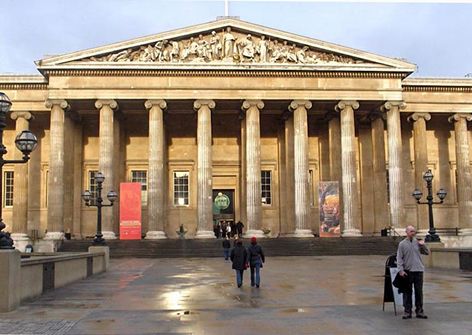


7 London British Museum


7    The British Museum is renowned as one of the world’s finest museums, and it’s completely free. You can easily spend a few hours here gazing at the mummies and other fascinating exhibits. The museum is near Holborn tube station.
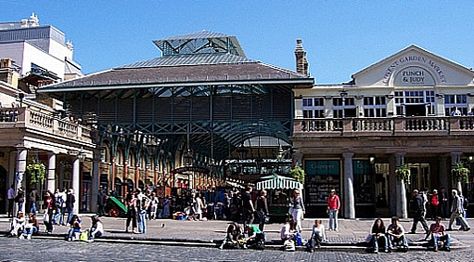


8 London Covent Garden


8   It’s always fun to see the street performers in Covent Garden, and the entertainment is free – unless you throw a couple of coins in the hat when they pass it around.
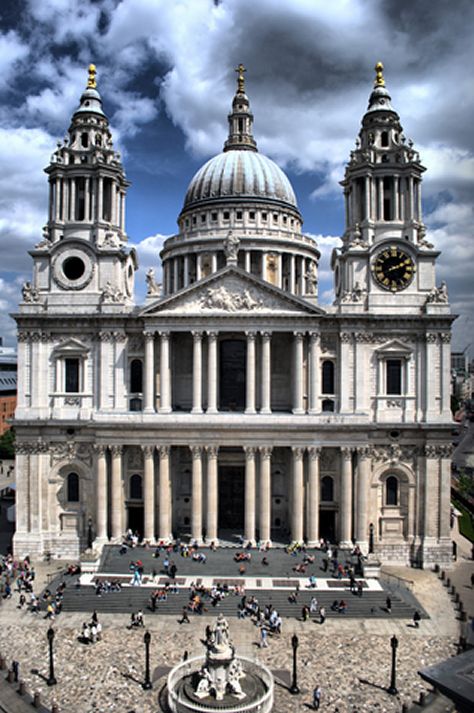


9 London St Paul Cathedral


9   Explore the breathtaking interior of St Paul’s Cathedral, near St Paul’s tube station, and just a short walk away from the Tate Modern. There is an entrance fee, but you can visit the crypt for free when you attend a service or visit the cafe. However, it’s worth paying the fee to climb to the amazing Whispering Gallery.
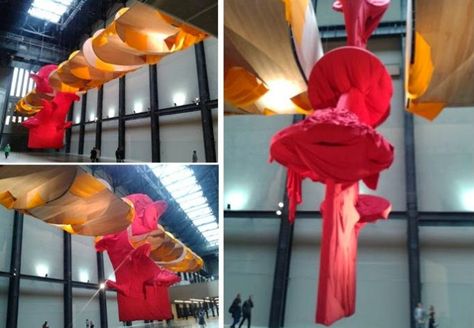


10 London Turbine Hall


10      After St Paul’s, visit the nearby Tate Modern, with its interesting contemporary artworks. The current exhibit in the Turbine Hall is Richard Tuttle’s I Don’t Know – The Weave of Textile Language, a giant textile sculpture.


LET US TAKE YOU TO YOUR DESTINATION

Cruising along the villas of the Brenta

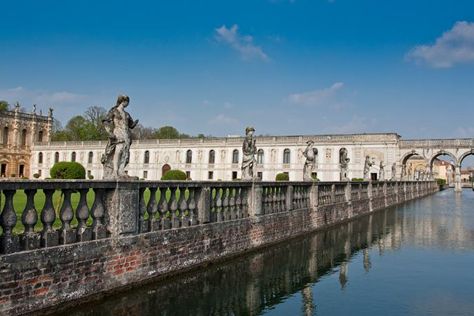
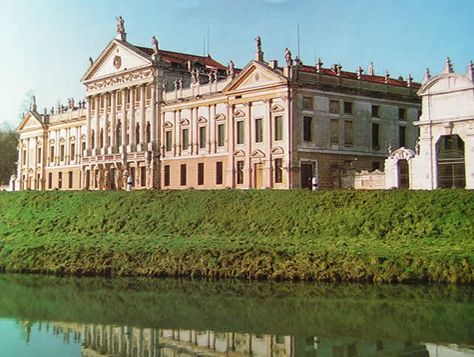
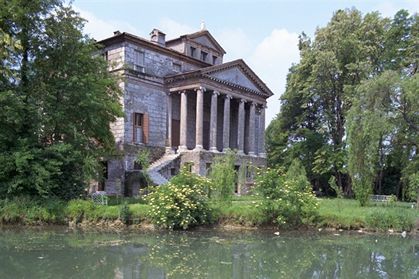
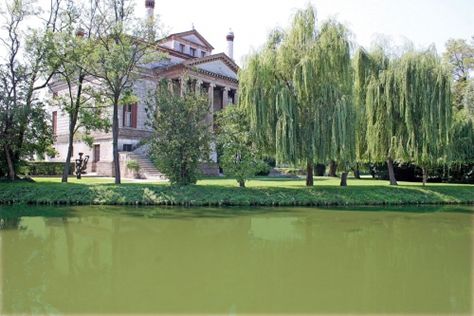
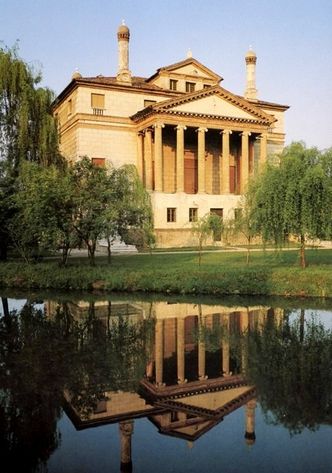
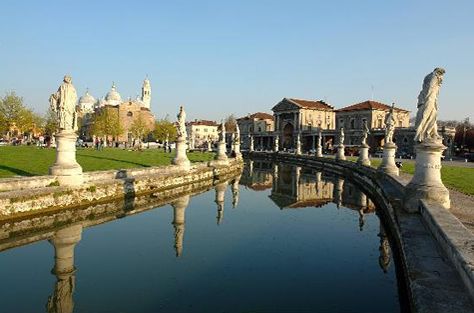
0 Ville-del-BrentaSpend a day immersed in the art and history of some of the favourite spots of eighteenth-century Venetian nobility. Sailing along the Brenta aboard an old skiff, you will be able to enjoy some of the finest Palladian Villas overlooking the bank of the river. A trip like this will give you a real taste of the past. In the past, Venetian nobles would navigate along the Riviera del Brenta on board boats, travelling from the city to their country villas. Today, as then, you can relive that magical atmosphere during a slow trip down the river, admiring the architectural magnificence of the dwellings which have embellished these shores since the eighteenth century. This is one of the most beautiful river routes of the Peninsula, and from March to October is the best time to travel down it and spend a day imagining the splendour of that era, including its art, history and nature. We begin by setting sail from “Portello di Padova” Padua, the old river port of the city, where you begin to navigate along the Piovego canal along ancient sixteenth century walls and bastions, surrounded by beautiful vegetation. 1 Ville-del-BrentaAt the edge of Noventa Padovana, you will see the first of the noble Villas: the solitary Villa Giovanelli, an example of “villa temple” built in the late seventeenth century, which is accessed by a pentagonal porch and a grand staircase adorned with statues which make a great visual impact. After passing by here, you will reach Stra, location of the sumptuous Villa Pisani, built by the prestigious Pisani family. The villa is adorned with many decorations, from the sculptures that adorn the exterior facade to the interior rooms, painted by the most famous artists of Veneto in the 1700s. One of the most important of these rooms is the spe2 Ville-del-Brentactacular dance hall, whose ceiling was decorated by Giovanbattista Tiepolo to celebrate the glory of the Pisanis. The villa is surrounded by a magnificent park where, in the shade of trees, are the stables, the lemon grove, the coffee house and the labyrinth, which was the setting for the love games depicted in Gabriele D’Annunzio’s famous novel The Fire. From Stra to Mira, overlooking the canal, there are another thirty villas that can be seen only from a distance because they are largely still inhabited. However, from the water you can observe Villa Soranzo, and villa dei Lazzara Pisani, which is also called “la Barbariga”; this villa is well known for its architecture, its huge park which is often used for hare hunting, and the sumptuous banquets attended by the nobles of the surroundings. You will also see Palace Foscarini, which was inhabited by Lord Byron between 1817 and 1818, and Villa Contarini, famous for the historic 22-course banquet prepared there in honour of Henry III King of France. Continuing on, you will reach Dolo, an ancient village in the Venetian style, famous for its mills, the ”Squero” (an old covered slipway3 Ville-del-Brenta used for sheltering boats), and the ancient Conca, who can be seen in many works of famous painters including Bernardo Bellotto, Canaletto and Francesco Guardi. After passing on further, you will get to Mira, where there is the highest concentration of villas. Among the verdant greenery and weeping willows that border the canal water is the Villa Barchessa Valmarana, characterised by a large colonnade overlooking the garden. Later, you will see Villa Widmann, a real jewel of the Riviera del Brenta. This was the typical summer residence of the 1700s, and is surrounded by a large park. It was inhabited by an important family of German origin, who settled in Venice at the end of the 1500s. The Villa has undergone various changes over time and has undergone several style overhauls. The refined interior rooms are decorated with various frescoes including the G4 Ville-del-Brentalory of The Widmann Family, attributed to Guarana, and The Rape of Helen in the magnificent ballroom. There is also Villa Corner, a delightful place which was the scene of many long and sumptuous receptions that, it wa6 Ville-del-Brentas said, would last up to eight days. You will then reach Oriago, the ancient setting of endless wars between Padua and Venice, and home of an ancient border called “Il Termine” litterally The End, which marked the boundary between the two regions. Passing this, you will get to Villa Foscari, also known as La Malcontenta, one of the masterpieces of the genius architect Andrea Palladio and considered a World Heritage Site since 1994. It a typical example of the villa temple, with an impressive portico including six columns and majestic ramps that created a kind of ceremonial entrance for visiting guests. The sober exterior contrasts with the decorations of the halls, with artworks mainly depicting mythological characters. According to legend, the villa acquired the name “La Malcontenta” because the wife of a Foscari was confined here in solitude due to an infidelity. From here, the navigation continues slowly towards the lagoon, until you reach the splendour of St. Mark’s Basin.
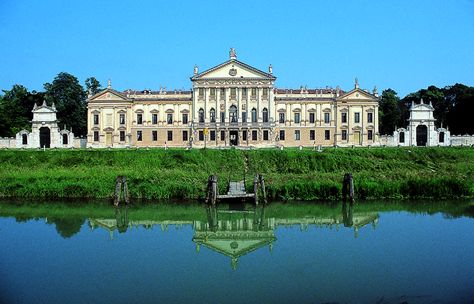
Now you are in Venice !

5 Ville-del-Brenta

The Royal Palace of Caserta

0 Reggia di CasertaThe Royal Palace of Caserta, a significant part of the inestimable historical and cultural heritage of our wonderful country, is a historic mansion which was once home to the royal Bourbons of Naples. It has been given the status of an official World Heritage Site.

Located in the town of Caserta, the palace was strongly supported by Charles of Bourbon, the King of Naples from 1759 to 1788. He was eager to create a worthy government office to represent Naples and his kingdom, one that would bear favourable comparison with Versailles.

The choice of Caserta was not random, but was born from the king’s love for the fascinating landscape of Caserta and the strategic need to make the royal palace less vulnerable than it would be in Naples, where it could be subject to attacks by African sea pirates.

In terms of volume, the palace of Caserta is the largest royal residence in the world, covering over 2 million cubic meters.

The huge project was given by the king to the architect Luigi Vanvitelli; the work lasted for several years and some details were left unfinished. In fact, in 1759, Charles of Bourbon of Naples came to the throne of Spain (as Charles III) and left Naples for Madrid, so the royal palace lacks the dome and corner towers which were initially planned.

Visiting the palace is like taking a trip back in time. You will be struck by a sense of wonder when you see this unique architectural, decorative structure surrounded by a landscape which at the time was the glory of the Bourbon kingdom.

1 Reggia di CasertaTake a full day to visit the palace, perhaps organising a picnic to eat in the shade of the trees of the park. This way you will be sure not to miss too many things. (However, don’t expect to be able to see everything in one visit…this would be impossible!)

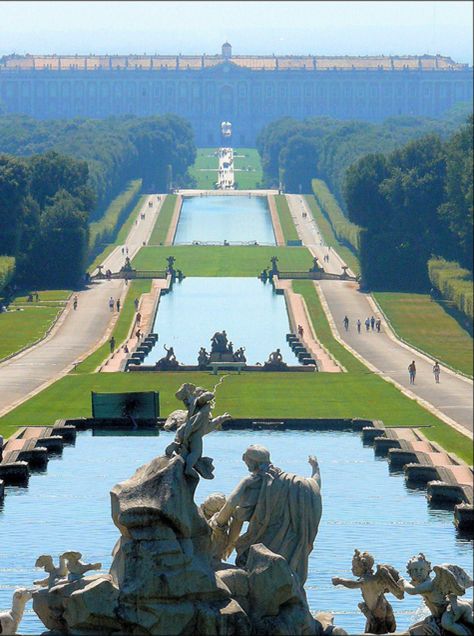
The park of the Caserta Royal Palace extends for 3 kilometers from South to North, covering about 120 hectares. At the centre of the rear facade of the building, two long parallel avenues branch off.

Interposed along these avenues is a series of beautiful fountains (which also offer a great resting spot for visitors who need a break from the fatigue of walking the long distances), including the extraordinary fountain of Diana and Attenone. This is dominated by the Great Waterfall which starts from the northern edge of the Italian Garden, linking this to the English garden.

Upon entering the building one is stunned by the size; everything is great, and everything is huge. And if we modern travellers, who are accustomed to the skyscrapers and the huge buildings of our civilization, are impressed, imagine how you would have felt a few centuries ago.

The staircase leading to the upper floors is fantastic, and it is not surprising that it has been the set of many films and television series. This is truly an incredible sight.

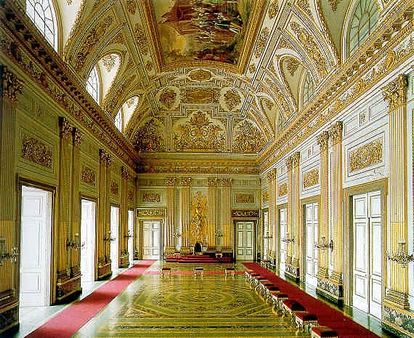
2 Reggia di CasertaThe staircase comes to a huge hall, in the centre of the whole complex. From here, you enter the Palatine Chapel (where one can only look in) and to the royal apartments. Don’t worry – you cannot miss it. Just follow the signs and they will guide you along the way. These start from the huge reception rooms and will get you to the private ones, which although small, offer modern and comfortable four-star services.

There is much to see and so much history to learn here. If you want to get the most out of your visit, it is necessary to prepare and obtain a guide book, or rely on one of the guides who are available to lead group tours around the palace. They are not only trained in art history, but also very speedy and will get you around the historic site quickly.3 Reggia di Caserta