Swiss food to savour

Winter or summer, Switzerland is a joy to explore. Sharon Preston gives us a list of her favourite traditional Swiss foods to sample when you’re next on holiday there…

swiss fondueFondue
The most famous Swiss meal, the fondue, is made by melting Swiss cheese and dipping small pieces of bread into it. The secret is in the correct mixture of cheeses, to impart a delicious flavour – a mixture of Gruyere and Emmentaler cheeses, garlic, wine and kirsch is a popular mixture. Fondue is usually served on cold winter days, but you’ll find it year-round in Swiss restaurants. It’s a very social dish as up to five people can enjoy it together, sharing one pot of cheese sauce. It’s usually served with white wine.
swiss racletteRaclette
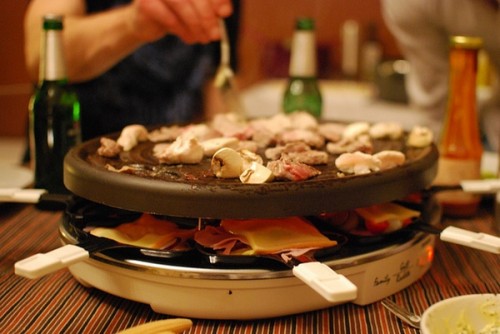
Raclette is a type of Swiss semi-hard cheese made from cow’s milk. It’s also the name of a traditional dish made by melting the cheese on a special tabletop grill with separate pans for each serving. The word ‘raclette’ refers to scraping off the melted part of a whole cheese onto a plate, which is the way it was originally served. The cheese is spiced with pepper and served with small firm potatoes, gherkins, pickled onions and dried meat and accompanied by either hot tea or white wine.
swiss BircherMuesliBirchermuesli
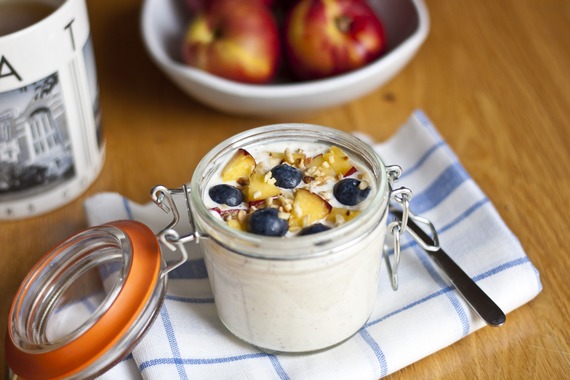
Today muesli is a common breakfast dish around the world, but it was originally invented in Switzerland in 1900 by Dr Bircher, a pioneer of wholefoods and organic medicine. Birchermuesli, as the original was called, is a popular Swiss breakfast dish made of dried fruit, nuts, uncooked rolled oats grains. It is usually soaked overnight in milk or orange juice to create a rich, creamy porride. It’s also eaten as a light evening dish, and can be mixed with milk, yoghurt, coffee, hot chocolate, fruit juice or water.
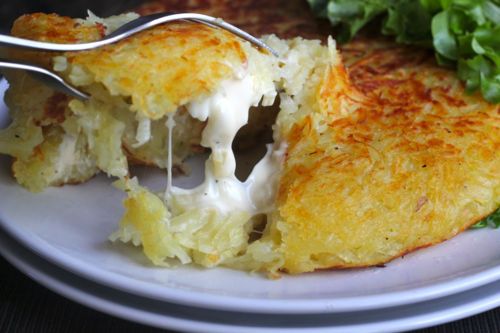
swiss rostiRosti
These crusty golden brown fried potato cakes are made from finely grated or sliced potatoes. They are served all over Switzerland at lunch and dinner and are often served with traditional veal stews.
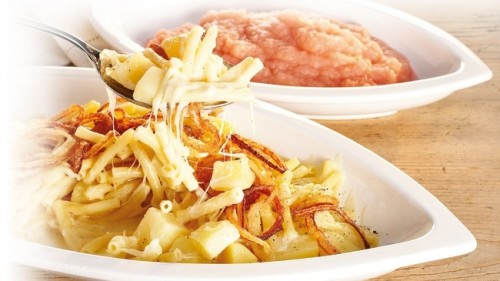
swiss macaroniAlplermagronen
This simple dish is basically the Swiss version of macaroni and cheese. The sauce is made with cheese, potatoes, onions and small chunks of bacon. Traditionally, Alpermagronen is served with fried onions sprinkled on top and a side serving of applesauce.

swiss cervelatCervelat sausage
This Swiss sausage is a mixture of equal portions of beef, pork, bacon and pork rind that have been finely minced and smoked for an hour before cooking. Traditionally Cervelat sausage is prepared by slicing it up into small rings, and serving with chopped onions, oil, vinegar and mustard. The sausages are also enjoyed grilled or fried. They can also be served cold, either in a salad, or accompanied by bread and mustard.
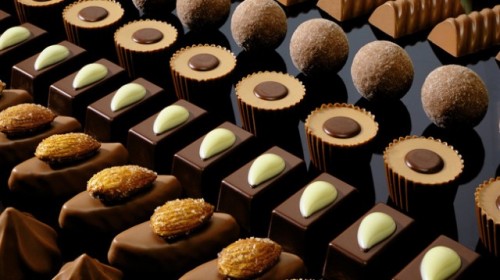
Swiss chocolateChocolate
Swiss chocolate is famous for its delectable taste and high quality. Swiss chocolatiers are renowned for their craftsmanship and create delights including truffles and pralines as well as desserts. Chocolate was not invented in Switzerland, but the Swiss did create milk chocolate using Alpine milk. Swiss chocolate is delicious on its own, or you can serve it with an espresso, a sweet wine, whisky or Cognac. A favourite children’s dish in Switzerland is bread with chocolate spread.
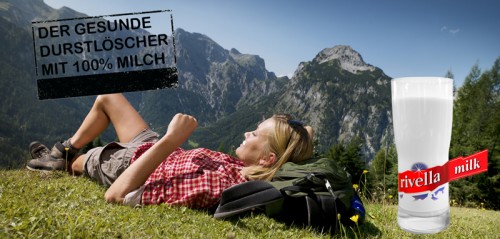
swiss Rivella-Milk-02Rivella
A carbonated soft drink, Rivella is one of the most popular drinks in Switzerland. It contains milk whey and comes in four different versions, including the original, a low calorie version, one flavoured with green tea and one made with soy instead of milk. The Swiss also enjoy sprinkling Rivella powder onto a slice of buttered bread. It’s available in both plastic and glass brown-tinted bottles.
Dining out in Belgium

So what’s to eat when you visit the country that’s famous for chocolate? Sharon Preston finds out there’s much more to savour than she expected. Here she shares her favourite dishes…

belgian friesBelgian fries
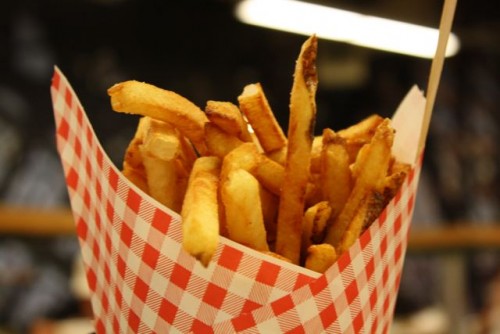
Fries are popular worldwide, but Belgian fries are a delicacy. In Belgium, people walk around eating their frites from a cone-shaped white piece of cardboard called a cornet de frites, topped with mayonnaise. You can buy some at fast food stands in every town, and there are also restaurants dedicated to making fries, called friteries, or frietkots. Frites are served with a selection of sauces including Bearnaise sauce and Aioli (garlic and lemon), but the most popular accompaniment is mayonnaise. Eat as a snack or as part of a meal.

belgian Mussel and friesMoules frites
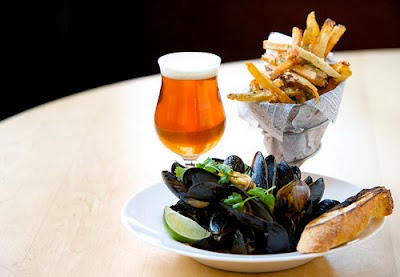
Belgium’s most popular dish includes frites of course. Called Moules Frites, it’s a delicious dish of steamed mussels and French fries. You’ll find this wonderful combination of juicy, sweet mussels and earthy fries in bistro’s and restaurants all over the country. Usually diners share pots of mussels served in a broth and bowls of fries with various sauces including tomato sauce, herb sauce and the traditional mayonnaise. The most classic dish is Moules Mariniere, with the mussels served in a white wine broth made with shallots, parsley and butter. For authenticity, use the shells to crack open the mussels instead of a fork.

Belgian-WafflesWaffles
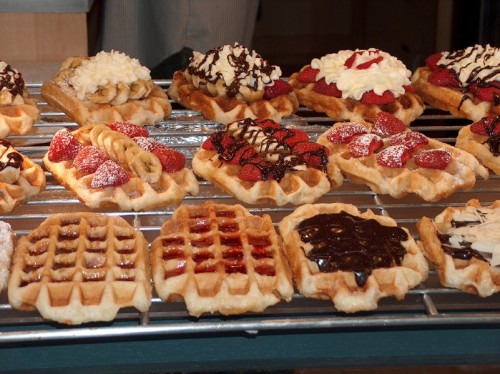
Waffles have been part of the Belgian diet for centuries. You can purchase them warm from street vendors and dusted with confectioners’ sugar, although you can also enjoy them topped with whipped cream, fruit or chocolate spread. Eat them as a snack or a dessert. There are two types of waffles – the Brussels waffle, which is rectangular and is light golden brown, and the more common Liege waffle, made with a crispy sugar coating and available in three varieties – plain, cinnamon and vanilla.

belgian speculoosSpeculoos
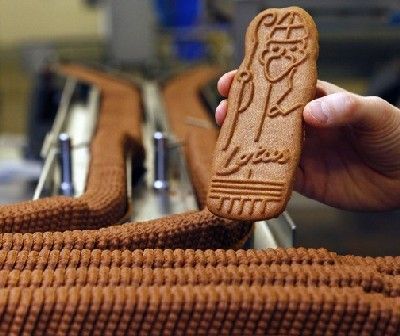
The traditional spiced shortcrust biscuit, speculoos, is thin, very crunchy and slightly browned. It usually has a figure stamped on its top and is flavoured with cinnamon, nutmeg, ginger, cloves and cardamom. Some varieties are made from almond flour and have slivers of almonds in them. Originally created for St Nicholas Day (December 6th), this treat is now served with coffee all over Belgium. It’s also used as a flavour in specialty ice creams. Buy some from any supermarket.

belgian-chocolate-1Belgian chocolate
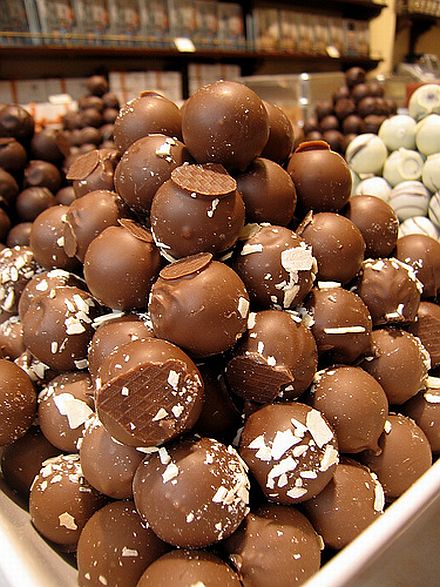
OK I can’t leave out this world-famous confectionary which is one of Belgium’s most famous exports. There are more than 2 000 chocolate shops in Belgium producing these delicious treats. Of course, the chocolate is of an exceptional quality, with at least 30% cocoa mixed with sugar and cocoa butter. It’s often hand-crafted following secret, traditional recipes that have been passed down for centuries. Pralines are very popular, shaped like seashells or fish.

Belgian bEERBelgian beer
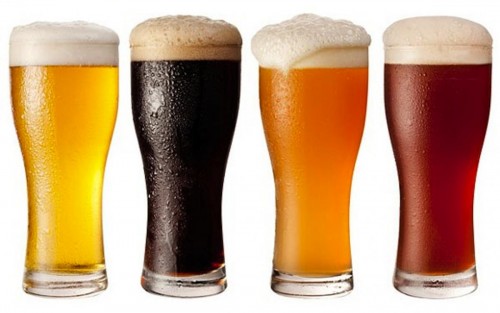
Everybody’s favourite drink in Belgium is beer. In fact, the Belgians have brewed beer since the Middle Ages and today there are around 150 breweries producing a variety of beers. One of the most famous are Trappist beers, brewed by monks in one of 6 Trappist monasteries in Belgium. Another popular beer is Lambic beer, made of wheat in the only brewery in Brussels. There are over 450 specialty beers to choose from, so you are sure to find a favorite. They are enjoyed like wine for their flavour and character. Many Belgian beers even have special glasses to drink them out of.

Bavarian dishes to sample

In most European countries, each district has its own regional specialties. Germany is no different. Sharon Preston recently visited Bavaria and sampled some of this German state’s true flavours. Here she offers an idea of what to savour if you’re visiting Bavaria this summer

bavaria schweinshaxeSchweinshaxe (Pork Knuckle)
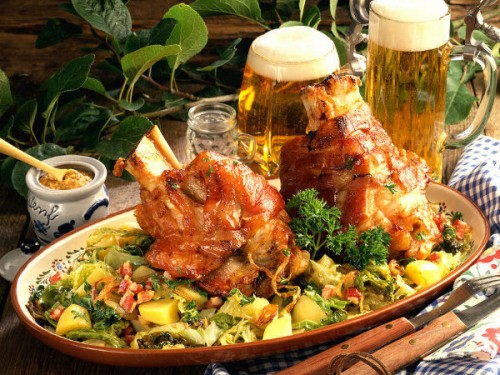
Pork knuckles or ham hocks roasted until crispy and brown on the outside and moist and tender inside is a popular Bavarian dish. Called Schweinshaxe, it’s traditionally served accompanied by potato dumplings, or Knodel, and red cabbage, or with sauerkraut (raw cabbage salad) and potatoes.

bavaria Schweinsbraten2Schweinsbraten
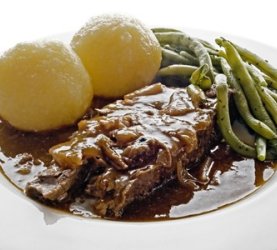
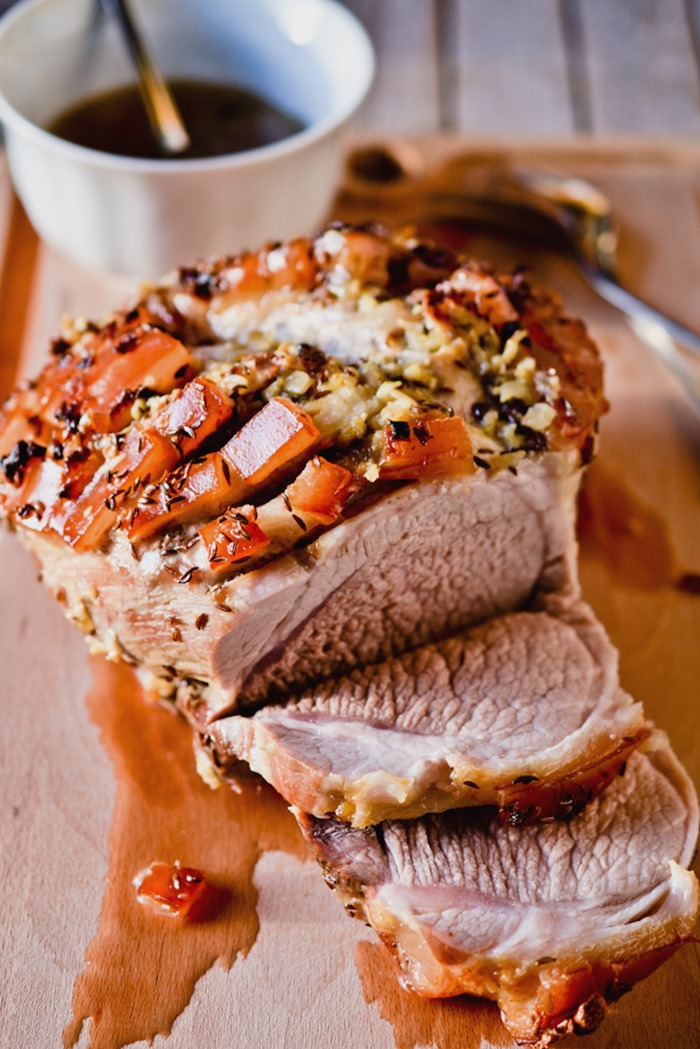
This famous Bavarian pork roast is a traditional roasted dish with a crunchy crust and tender meat accompanied by gravy and served with Knodel, (potato dumplings) or Spaetzl (noodles), and red cabbage or sauerkraut, raw cabbage salad. It’s usually washed down with a good Bavarian beer. You’ll find it served in restaurants all over Bavaria.

bavaria prinsregenttortePrinzregentorte
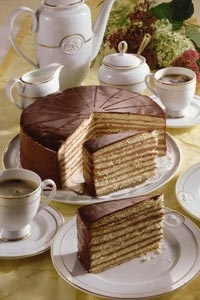
One of Bavaria’s most famous cakes, it’s a delicious concoction made of between six and nine sponge cake layers sandwiched together with chocolate butter cream. The topmost layer has apricot jam added to it before it’s covered with a dark chocolate glaze. The cake is named after Prince Regent Luitpold, who ruled Bavaria from 1886 to 1912. It’s best washed down with a cup of coffee.

bavaria topfenstrudelTopfenstrudel
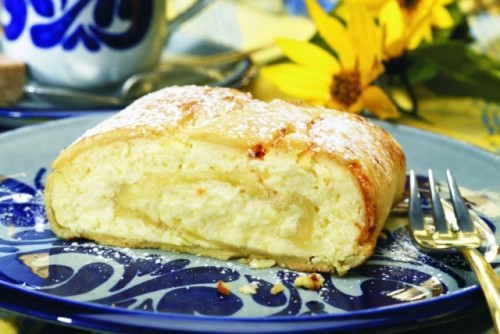
Strudel is one of Europe’s most famous pastries; it’s made up of layered puff pastry with a sweet filling. Although it’s very popular in Austria, Germany is famous for its apfelstrudel (apple strudel) as well as Topfenstrudel, which is similar, except that the pastry is filled with topfen, a soft cheese and raisins instead of apples. This delicious cheesecake is eaten as a dessert or with coffee.

bavaria WEIZENbeerWeizenbier
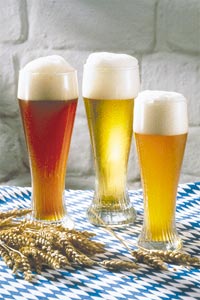
Bavarians love Weizenbier, a special beer that is brewed with at least 50% malted wheat as well as malted barley. Often also called ‘white beer’ because of its colour, Weizenbier has a characteristic white froth. If the beer is filtered, it’s called Kristallweizen, or ‘crystal wheat’ but there are also dark wheat varieties called Dunkelweizen. The beer is traditionally served chilled in a tall, slender glass.

Radler
Radler is a popular Bavarian beer-based mixed drink, a combination of beer and German-style lemonade. It’s especially popular in summer as it’s very thirst-quenching. It’s available in bottles or cans and you’ll find it in bars, restaurants and supermarkets.