What to do in Luxembourg
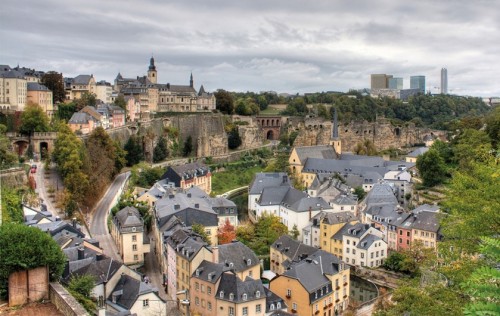
Visiting Luxembourg is like taking a giant step back in time to another century – the 10th Century to be exact when Luxembourg Castle was built. The Old Town, where the castle is located, has been designated a UNESCO World Heritage Site because of its history, and exploring here is an historic adventure.

After spending some time in Luxembourg recently, Sharon Preston takes you on a tour of the city to see its historical sights as well as its more modern side

luxembourgThis beautiful old European city has had a turbulent history, and as you explore Luxembourg’s Old Town with its cobblestoned streets you’ll find out all about it. Of course, the highlight of a visit to the Old Town is the ancient Luxembourg Castle, located in what is called the Bock Promontory, the central point around which the city of Luxembourg grew up. The castle has a magnificent location above a rock cliff and looking down on the tiny medieval houses in the valley below is a spectacular sight.

Underneath the castle and throughout the old city are the Casemates, two sets of underground tunnels and ruins of a number of fortifications. In fact, Luxembourg has been designated a UNESCO World Heritage Site because of the castle and the Casemates, as well as all its other historical treasures, making it an adventure to explore. There are two sets of Casemates, reinforced medieval fortifications date back to 1644. One is called the Petrusse Casemates, and the others are called Bock Casemates.
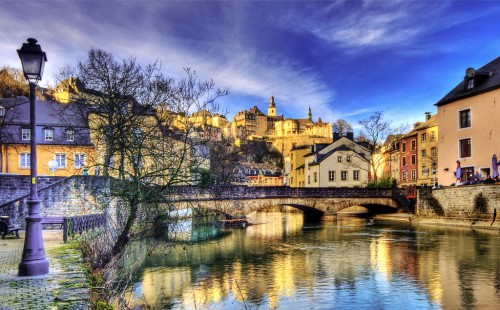
Alzette-River-in-LuxembourgThe city is divided into two very distinct areas. Aside from the magical old part of the city, there’s also a modern side to Luxembourg, which you’ll find on the Kirchberg Plateau. It’s full of shopping malls, home to the financial district and there’s also lots of entertainment night and day. In the south of the city around the railway station is the district called Gare, and in the lower part of Luxembourg you’ll find another popular area called Grund, home to a number of restaurants and bars as well as some lovely museums to explore. The best place to visit after dark is Clausen, famous for its lively nightlife.

What makes Luxembourg so charming is the way that one gets from the upper part of the city, known as Haute Ville, to the lower part district of Grund, one takes a small glass elevator which operates daily until around 10pm.

Whether you’re visiting part of the Casemates, watching the changing of the guard at Luxembourg’s Ducal Palace, shopping in the market or exploring the ancient Cathedral of Notre Dame, you’re in for a treat.
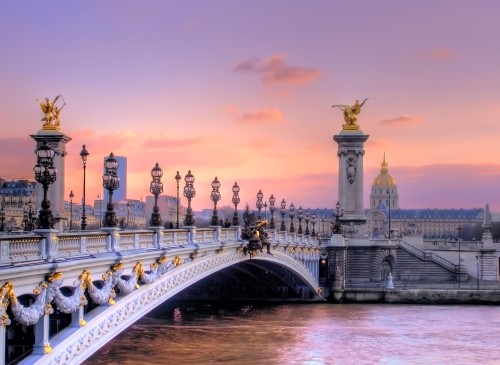
What to see in Paris

Everybody falls in love with Paris – after all, it’s the most romantic city in the world, a heady mix of olde worlde charm and modern ingenuity. Sharon Preston has just retured from visiting this magical city and she offers a number of different things to do when you’re exploring, aside from visiting the city’s famous landmarks.

paris2
1. Near the Eiffel Tower – The Rodin Museum
OK, so you have to climb the Eiffel Tower, but afterwards, take some time to explore the area surrounding Paris’ famous landmark. Nearby is the Rodin Museum, dedicated to famous French sculptor Auguste Rodin, and home to a number of the master’s great works, including his iconic piece, The Thinker.

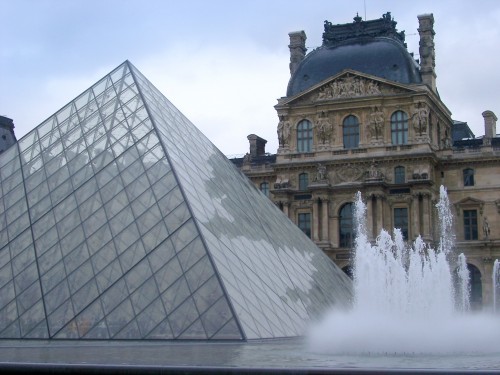
paris louvre pyramid2. The Musee de Louvre
Let’s face it, you won’t feel as if you’ve been to Paris unless you visit the Louvre. And even if you have entered the modern glass pyramid at the entrance, a startling contrast to the ancient palace of the Louvre itself, and have seen da Vinci’s iconic painting of the Mona Lisa before, there are other exceptional artworks to see. After all, the Louvre is home to over 35 000 works of art, and discovering some of the other magnificent masterpieces is always an adventure. Artworks are divided into different sections including Egyptian, Roman, Etruscan, Greek and Oriental Antiquities, Decorative Arts, Graphic Art, Paintings and Sculptures. Why not choose just one section and explore it in depth?

3. Notre Dame
Yes, of course you’ve visited Notre Dame before. But when you visit it again, take your time. Aside from exploring its magnificent interior, and viewing the huge pipe organ and the central choir, visit the treasury in the southeastern transept, which is home to some exquisite art pieces and other items worth viewing, including the Holy Crown, the wreath of thorns placed on Christ’s head before he was crucified. And wear good walking shoes so that you can climb the 422 winding steps of the North Tower for a panoramic view of Paris below you. There are also some frightening-looking gargoyles up there, worth an Instagram or two!

4. Musee D’Orsay
Located in what was once a railway station, this lovely museum has a number of fascinating items on display, including French paintings, sculptures and other items created by famous masters such as Monet, Picasso, Renoir, Matisse and Degas from 1840 to 1914. You’ll find a number of treasures, including Impressionist, post-Impressionist and Art Nouveau pieces. The museum’s iconic glass arched roof offers the most spectacular light, and makes everything you see even more breathtakingly beautiful.

5. Champs Elysees
This famous wide avenue is full of sidewalk cafes, designer shops, restaurants and nightclubs, making it an absolute delight to explore. Alternatively, take a seat at one of the cafes and watch the people go by. And once you’ve had a coffee and taken some photographs, why not head to Place de Gaulle, to see the great historical Arc de Triomphe, built by Napoleon in 1806 to commemorate his victories.

What to see in Amsterdam

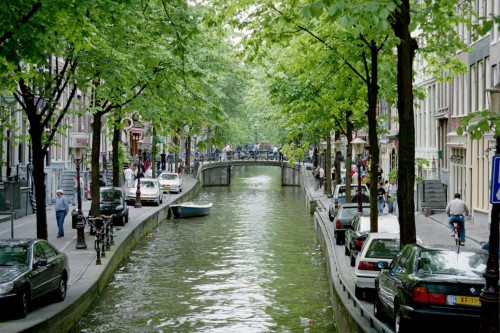
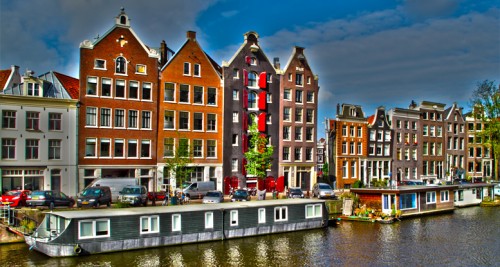
Famous for its many canals, narrow buildings, tulips, cheese and historic charm, Amsterdam is one of my favourite European cities. Nothing beats riding a bicycle or ambling along the maze of cobbled streets exploring. Amsterdam has many stories to tell and many museums and other places of interest to discover. Here are my five favourite spots in this fascinating city, not necessarily the most visited spots, but my personal favourites just the same…

amsterdam_canals1. Leidseplein
One of the most popular squares in the city, Leidseplein is lined with an assortment of restaurants, coffee bars, movie houses, theatres and shops. It’s a good idea to sit down at one of the pavement cafes, enjoy a cup of coffee and watch the people go by. The square is busy day and night and there’s always lots happening here. After dark, street musicians and other performers add to the colour and excitement. While you’re in the square, take a look at some of the historic buildings around you, including the American Hotel Amsterdam, which is famous for its Art Deco interior and the Renaissance-style Municipal Theatre, the Stadsshouwburg.

2. Museumplein
This is where I go when I’m in the mood for some culture. Museumplein is home a number of famous museums, including the spectacular Rijksmuseum, or State Museum, one of the most magnificent museums in the world. The square is also often used for concerts and other events, and when I’m not exploring the museums in the square, I enjoy taking a breather in the square itself.
One of my favourite museums that is located on Museumplein is the excellent Van Gogh Museum, home to a vast collection of Van Gogh’s masterpieces. You’ll also find the Stedelijk Museum here, with stunning displays of various contemporary art, photographs, furniture and design. It’s also home to exquisite pieces by various famous 20th Century artists such as Andy Warhol, Picasso and Matisse.Near the square is the huge public park, called the Vondelpark, which contains a superb film museum, an open-air theatre and a playground.

amsterdam3

3. Niewuwezijds Voorburgwal
Located in the centre of the city, this busy street is home to some famous buildings, including the magnificent Royal Palace and the Nieuwe Kerk. The beautiful 17th Century palace was designed to reflect the power and status of the Dutch Golden Age of prosperity. It was used as Amsterdam’s Town Hall until 1808, when Napoleon Bonaparte’s brother Louis took residence there when he reigned for a short while as King of the Netherlands. Right next door is the 15th Century Nieuwe Kerk, also known as the New Church. It’s renowned as the Netherlands’ most important church and has been meticulously restored. So take some time to discover its interior especially the beautifully decorated altar, a vast pipe organ, and other delights. Nearby is the fabulous shopping street, Kalverstraat, and Amsterdam Museum, which boasts an excellent art collection, some archeological finds and other items that tell the story of the city’s history.

4. Westerkerk
Rembrandt is buried in this famous Renaissance church. Westerkerk is also where the current Queen Beatrix was married to Prince Claus in 1966. The church, which was built in 1631, has a beautiful organ and you can also climb the 186 steps to the top of the church tower, the Westetoren, for a spectacular panoramic view of the city below. At the top of the tower you’ll find a red, blue and gold Imperial crown, donated to the city in 1486 by Emperor Maximilian.

5. Rembrandtplein
This famous square boasts a vibrant nightlife. On the patch of lawn in the middle of the square you’ll see a statue of Rembrandt, and in front of this you’ll see a number of smaller statues that represent the artist’s most famous painting, ‘The Nightwatch’. Amsterdam’s famous Floating Flower Market is also near Rembrandtplein, located on one of the city’s oldest canals, so if you’re visiting during the day, make sure to stop off and take a look at this colourful marketplace.