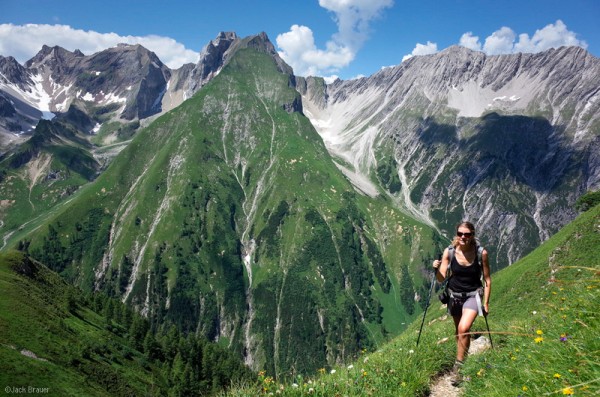
Hiking in Austria

Hiking in Austria

hikingIf you are an outdoor enthusiast, then why not visit Austria this summer and take a walk to see the country’s exquisite natural beauty? Sharon Preston dons her hiking boots every year to explore Austria’s scenic beauty. Here is her list of the most exciting hiking trails available…

After spending a glorious winter holiday skiing in Kitzbuhel in Austria, I decided to visit the country when the weather was warmer. And I have been back every summer since then to hike Austria’s scenic trails. Here is a list of some of my favourites:

Austria’s longest hiking trail, the Eagle’s Walk covers 1480km, making it the longest in Europe. The trail takes hikers past the most breathtaking scenery on earth in the Austrian Tyrol as it meanders all the way from St Johann to St Anton am Arlberg. This diverse hiking trail comprises 128 different one-day hikes or stages and offers a variety of terrain as it meanders past the majestic Wilder Kaiser Mountains, through the Brandenberger Alps, the Rofan and Karwendel Mountains and the Lechtal Alps.

For something entirely different, take the famous Cheese Trail in Bregenzerwald, which entails ambling along on a scenic journey that takes you to visit a number of dairies, cheese farms, museums, quaint little inns and restaurants where you get to sample some delicious cheese. It’s a great way to learn all about Austria’s charming Vorarlberg area and its famous dairy produce. You’ll visit a fascinating cheese cellar along the route in Lingenau, and stop off at the Kasehaus in Andelsbuch to purchase some of its excellent cheeses. You’ll also learn how to make your own cheese at the alpine dairy school in Egg.

One of the most beautiful – and difficult – trails in Austria is the Alpe-Adria Trail, which is 700km long and covers three separate countries (Austria, Italy and Slovenia). The journey starts off at the bottom of the Grossglockner mountain, the highest mountain in Austria, and continues along a route lined with spectacular rivers, lakes and streams all making their way to the Adriatic Sea. The trail itself comprises 43 stages in all, each of which is 17km in length.


Hiking in Austria


One of Austria’s most popular hiking regions is the Wilder Kaiser, which includes the villages of Ellmau, Going, Sheffau and Soll in the Kaisergebirge nature conservation area. There are over 400km of hiking tails in the pristine Kaiser area to choose from.

If you’re visiting Innsbruck, why not take the famous 3km-long Leutasch Spirit Gorge Trail, which is located just 35km from the city. It’s an easy trail that takes hikers on a scenic route past waterfalls and beautiful rock formations.
Dutch Delights

Having just visited Amsterdam recently, and enjoyed a variety of delicious food, we thought we’d share some of the delicacies available in the Netherlands. After all, part of the joy of visiting a new country is learning all about its culture, and its traditional food is certainly one way to experience its unique characteristics.

So if you’re heading for the Netherlands, or Amsterdam this summer, here’s a list of what to savour instead of going the safe route and ordering a sandwich or fast food snack.

herringHollandse Nieuwe Haring (herring)
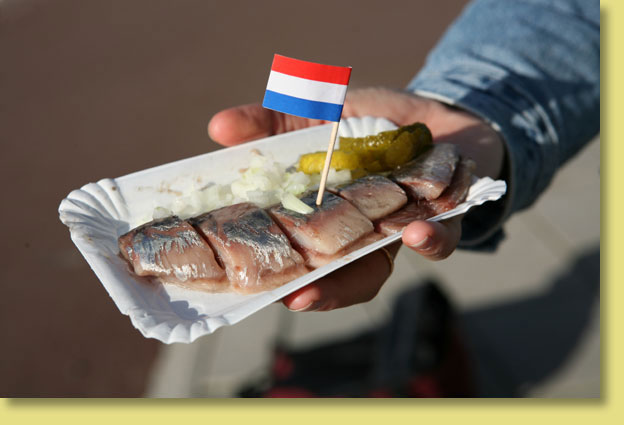
Herring is the most popular fish in the Netherlands. The raw herring is cleaned, its head is removed and it’s lightly cured with salt. To eat, pick it up by the tail and let it slide into your mouth or savour in bite-sized pieces with chopped raw onions and sliced gherkins that you nibble with toothpicks. It’s also available in a sandwich called Broodje Haring. You’ll find this delicious delicacy available at herring stalls in the street as well as in fish shops.

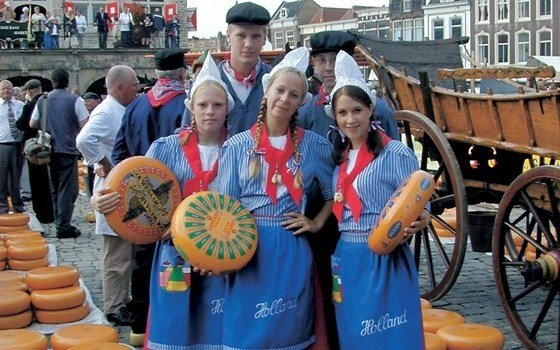
DUTCH CHEESE1Dutch cheese
The Netherlands is synonymous with excellent cheese of many different varieties, especially Edam, Gouda, Leyden and Maasdam. Most of us have tasted Gouda, a mild, semi-hard pasteurised cheese that’s labelled by age. But do sample some of the other delicious varieties, on their own or in sandwiches.

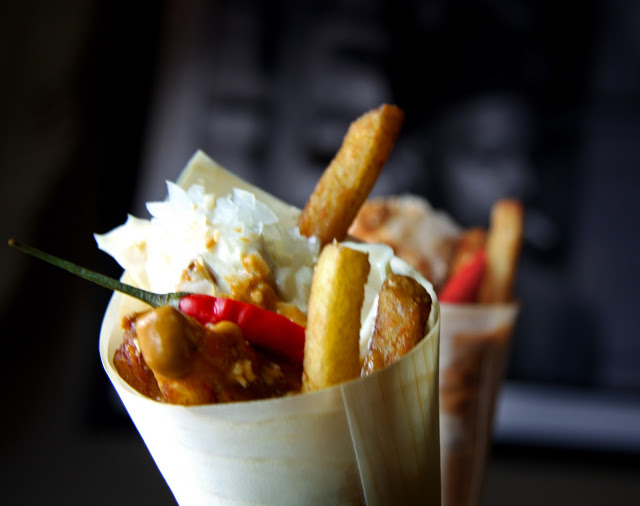
patatPatat
The Dutch version of French fries is called patat, or Vlaamse frites, Flemish fries. These delicious bites are crunchy, cut thick and you’ll find them sold at street stands and fast-food places all over Amsterdam. They are usually served in paper cones with a generous helping of mayonnaise or what is called ‘oorlog’ – a mixture of mayonnaise, raw onions and tangy satay sauce.

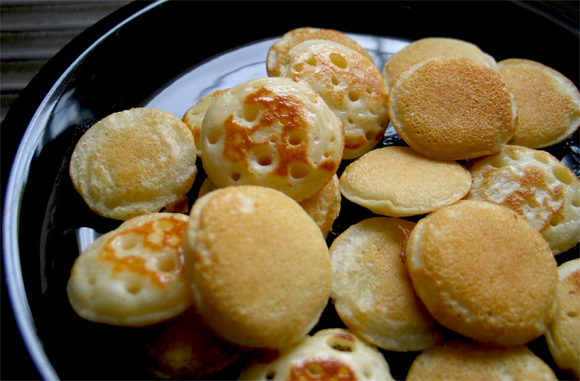
poffertjes01Poffertjies
If, like the Dutch, you have a sweet tooth, then sample pofferties – fluffy, warm mini pancakes that are thick and sweet, and often served with powdered sugar and a knob of butter. Unlike pancakes, poffertjies are only properly cooked on one side, so they are soft inside. You will find them on many restaurant menues, but the best ones are sold fresh on the street at markets, and in town squares.

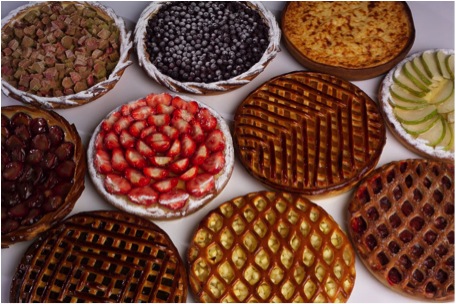
Limburgse-vlaaiLimburgse vlaai
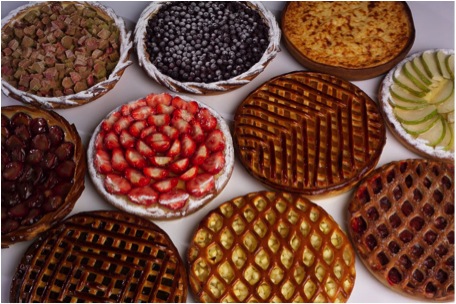
This very popular Dutch dessert is made from yeast dough covered with rice and baked with apricots, or other fruit fillings (particularly strawberries, cherries or plums). It’s thinner than a traditional pie or tart and has a flat spongy base topped with the fruit and covered with whipped cream. Apparently this dish used to be baked for special occasions like Easter and local fairs, but you can now buy it anytime of the year.

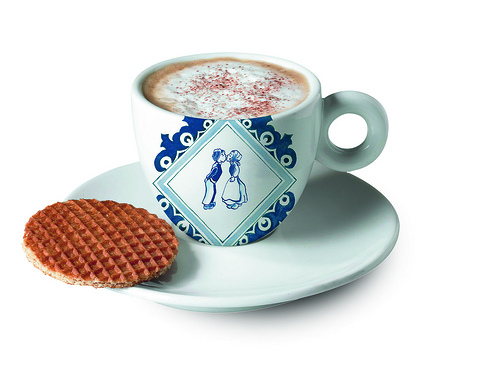
dutch-coffeeStroopwaffels
This typical Dutch treat has become popular worldwide. It’s made up of two thin crunchy waffle-like wafers seasoned with cinnamon and sandwiched together with a sticky, sweet syrup. Stroopwaffels are usually enjoyed with a cup of tea or coffee. You’ll find these delicacies in packets on the shelves of every Dutch supermarket as well as freshly made and hot at bakeries, local markets and street stalls.

Koffie verkeerd
This name translates to ‘wrong coffee’ in Dutch. But there really is nothing wrong with it at all. It’s just freshly brewed or instant coffee with a dash of milk. But according to the Dutch, that’s exactly what is wrong with it. Black coffee is the norm, and having milk with it is ‘not right’.

What to do in Edinburgh


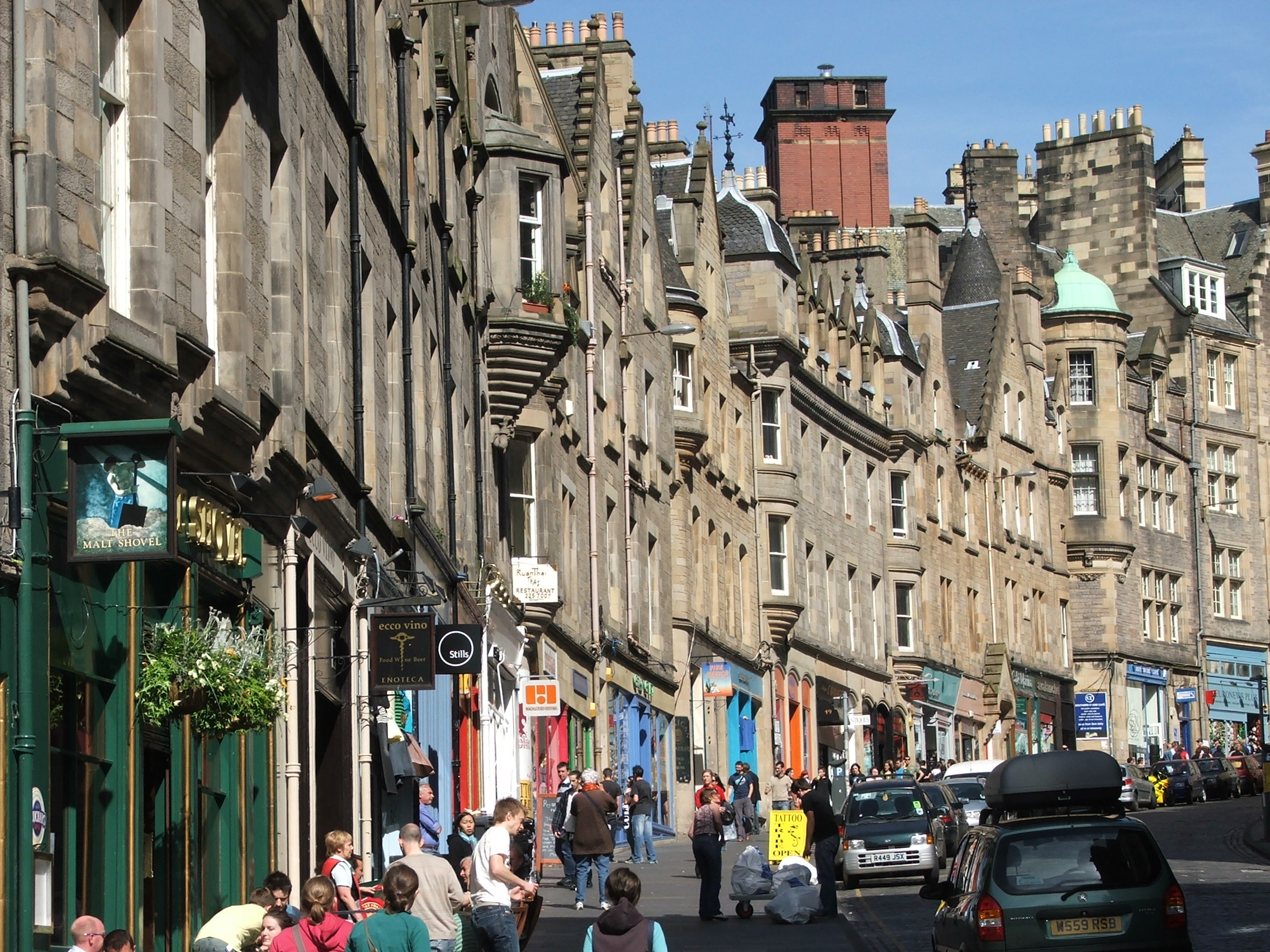
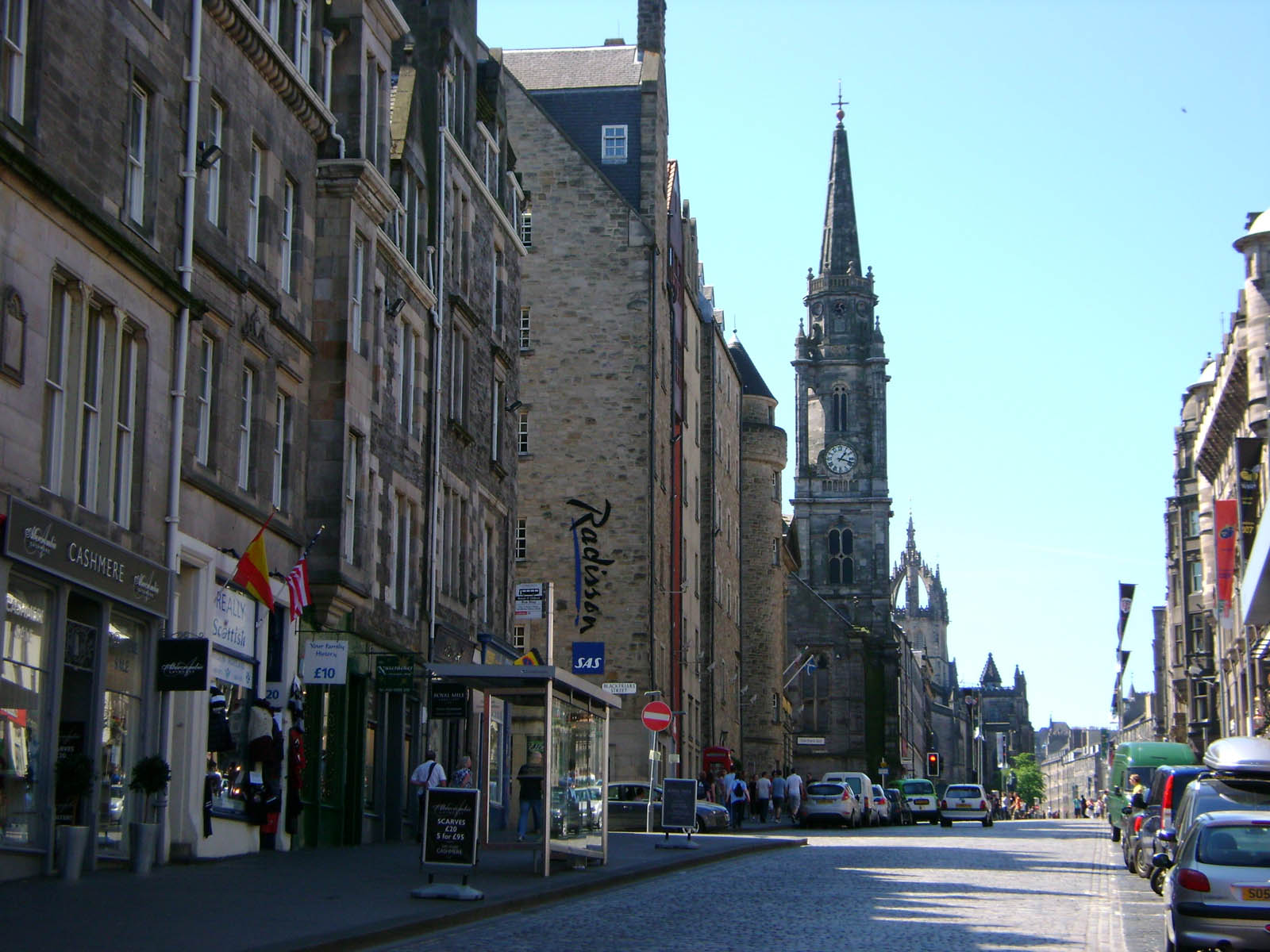
GOLDEN MILEScotland’s elegant capital, Edinburgh, is situated on seven hills offering a scenic backdrop to the city, that is a complete mixture of ancient and modern. The highlight of a visit to Edinburgh is the city’s famous Royal Mile, its oldest and most historic street, which has been used for over 7000 years. The Royal Mile, which is actually longer than a mile in length, connects two of the city’s most important buildings, Edinburgh Castle and the Palace of Holyrood. It’s made up of a number of different streets, too. Because the Royal Mile is so historic, it’s worth exploring in depth, stopping at various locations along the way. We have chosen five of the city’s highlights to explore along the Royal Mile, although we’re quite sure you’ll find many more to explore along the way.


  1. Edinburgh Castle

This is the most popular sight to see in Edinburgh. Explore the castle and discover the Crown Room, the Great Hall, the Half Moon Battery and the Royal Apartments. At the Esplanade you will be able to enjoy the famous Military Tattoo, a performance with music, marching and reenacting of various historic events.


  1. Princes Street

This famous street separates Edinburgh’s Old Town from the more modern part of the city. It’s one of the busiest commercial centres in the city and also boasts some important monuments and sights worth seeing. Once you’ve done enough sightseeing, explore beautiful Princes Street Gardens, which offers various food and gift markets.

 royal-mile-edinburgh_1

  1. Grassmarket Square

This historic Medieval square is where Edinburgh’s weekly market was held for over 50 years. Interestingly enough, many hangings were held here, and you’ll see a plaque commemorating the hanging of more than 100 people in the 17th Century. Grassmarket Square is also home to some superb pubs, outdoor restaurants and cafes, and there are also some excellent ones nearby, in Victoria Street.


  1. Queen Mary’s Bath House and Holyrood Palace

You must visit the tiny turreted old house where Mary, Queen of Scots used to bathe in sweet wine. Nearby is the Palace of Holyrood, which was built by King James the Fourth in the 16th Century. When the Royal family is not in residence, one can explore the palace including its oldest part the North Tower, where David Rizzio, secretary to Mary Queen of Scots, was stabbed by the queen’s jealous husband, Lord Darnley. A number of fascinating items are on display here, including some of the queen’s belongings, exquisite antiques and rich tapestries.


  1. Burns Monument

While you’re in the vicinity, make sure you visit the Burns Monument, which was erected in 1830 to commemorate the famous Irish poet, Robert Burns.